Application #1, Human Impacts on the Environment
The article that I read about is based around the affects the Canadian coal mines have on the Elk River ecosystem in British Columbia. However, as they continue to do more research, they are learning that the contamination is affecting the communities farther downstream where it is contaminating drinking water. They have also learned it has spread into the United States. The chemical that is affecting all of this stuff is selenium. The problem is being created by the coal miners. When they dig into the sides of these mountains the piles that they make often have selenium in them. When it is exposed to water or air it starts to seep out of the rock.
Once it gets into the river it can spread very easily because algae and invertebrates collect it and then other animals feed off them and other animals off them and so on. It is bad enough now that it is giving fish and some other animals reproductive issues. It was estimated that this problem killed around 180,000 baby fish one year. The ones that do make often have deformities like missing gill flaps or deformed gills or twisted spines and cranium deformities. Some waters are so bad that B.C. has actually had to close some spots on the river to anglers.
This is also affecting humans directly. For humans 2-3 times more than recommended exposure could be can cause nausea, fatigue, skin lesions, and neurological disorders. In B.C. the amount allowed per liter of water is 2 micrograms in order to ensure the safety of the wildlife. In some spots on the river it has tested as high as 100 micrograms per liter. A town a few miles away from one of these mines had shut down one of the wells. As a way to try to help prevent humans from contamination the mining companies have bought bottled water for people. Unfortunately this doesn't change that fish is probably a food source for some of these people and they are contaminated.
 The Elk River in Fernie B.C.
In some ways this problem is similar to the plastics issue that everyone in the world is dealing with. With plastic not only contaminating the area we walk it is also a big issue in the oceans and in other waterways. While this plastic issue is much bigger they both still have a big effect on the aquatic wildlife. For example a fish or turtle may get caught in some form of plastic and this could make their skin grow around it weird or just make that part of their body completely useless. Like selenium plastic also takes its toll on the younger population of fish also. Like in the TED talk we watched where it shows a few fish that probably range from 3-5 inches. It shows what they found in their stomach and all of them had plastic in it. one fish had over 50 pieces if I remember correctly. Plastic also takes it toll on plants and animals just like selenium. I couldn't tell you the last time I went to the ocean and didn't see a piece of trash at some point. Too much plastic can also affect the health of a human. It can lead to things like cancer, heart problems, obesity, nervous system issues, and many other problems. Both of these problems are very hard to solve which is going to make them last longer.

When it comes to us here at Keene State I'm not really sure if we add or subtract anything from/to this problem. The coal that they mine I believe is used in producing steel and which is a product that somebody can buy. It is also a product that is used in other things like buildings. So I guess potentially we add to this problem by doing business in the steel industry. Regardless if somebody felt strong enough about the situation a lot of these people that live along the rivers and other water sources that have been affected are in they could probably talk to someone about organizing a trip to British Columbia to visit one of these towns or many of them and to help them out in some way. Another way that someone could help them out is just trying to find contact to a charity or something out there and sending them care packages with water and food or anything else that could help them. When it comes to the plastic issue I think a lot of people help out without really realizing it. If I had to guess I would say the biggest way we help out here is when people use alternative items to these plastic items like using a refillable water bottle. There is also a lot of others we could help out and one of them is simply if you see a piece of trash on the ground or something and you're near a trash can just pick it up.
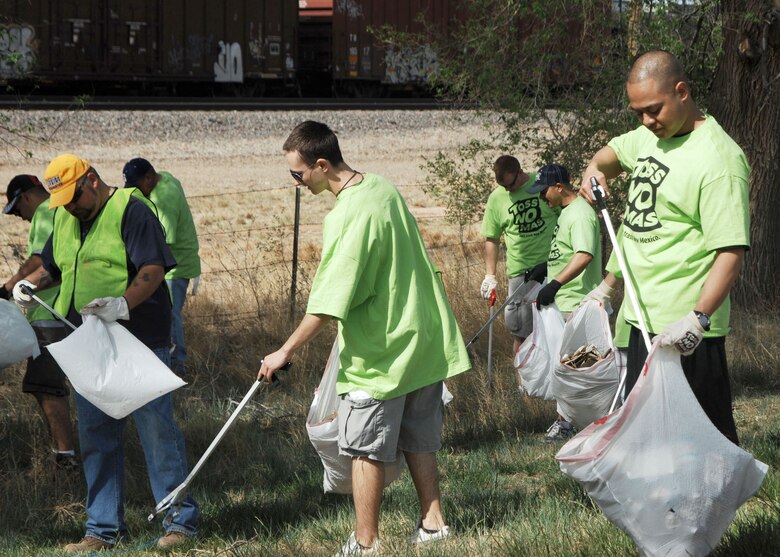 Some Airmen picking up trash
Comments
Post a Comment